For many Canadians, recycling leftover paint or burnt-out light bulbs is a 10-minute errand to a nearby retailer or recycling location. But in some remote and northern First Nation communities, large loads of recyclable materials can only move out by winter road, when frozen lakes create temporary access for semi-trailer backhauls.
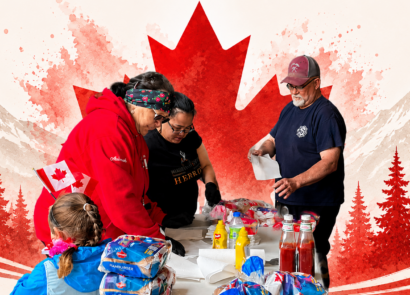
This National Indigenous Peoples Day, June 21, we’re sharing what recycling access looks like in First Nation communities, and how Indigenous depot operators and collaboration have made it work.
When the road is made of ice in Manitoba
Some First Nation communities in northern Manitoba have no all-season road connection, and they’re reachable by land only during a short winter window, when frozen lakes become temporary winter roads.
The Winter Road Recycling Project, coordinated by Green Action Centre, exists to support this initiative. The past winter, the project’s 7th season, 30 semi-trailer loads were removed from 9 communities and delivered to recyclers in southern Manitoba. Product Care is one of the Producer Responsibility Organizations (PROs) funding the project on behalf of the producers whose products are in those loads. Ours included leftover paint, fluorescent lights, and single-use propane canisters.
None of these materials moves without the hard work of the people on the ground. Depot operators collect, sort, pack, and stage material for months, all for a pickup window measured in weeks.
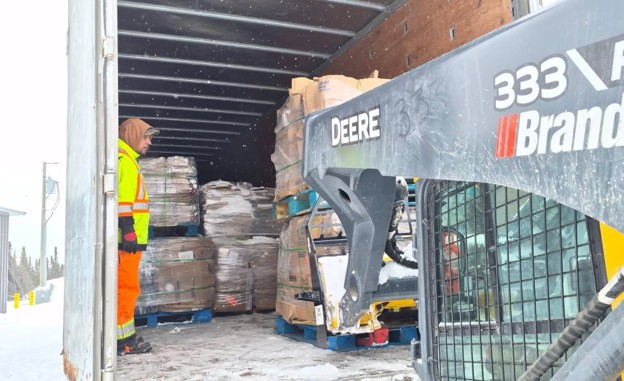
Photo: Luke Chubb, courtesy of the Winter Road Recycling Project.
The long hauls in British Columbia
In BC, the geography changes but the challenge doesn’t. Some remote recycling locations are served by barge, others by truck, often only a few times a year.
Through the First Nations Recycling Initiative (FNRI), Product Care supports remote recycling locations with containers, transportation, and operator training. Local depot operators are trained through the Indigenous Zero Waste Technical Advisory Group (IZWTAG), with Product Care delivering part of the training on safely handling household hazardous waste.
Tim Ames, manager of FNRI, puts the partnership in perspective:
As both keepers of the lands that we all call home while also embracing a modern lifestyle has resulted in First Nations communities collaborating to see end of life Product Care materials removed and responsibly recycled. The First Nations Recycling Initiative is grateful to partner with many First Nation communities to provide education, logistics support for removal of EPR Stewardships materials and build long term meaningful relationships with interested stakeholders both in and out of communities.
Spotlight: Xet’olacw Transfer Station, Lil’wat nation
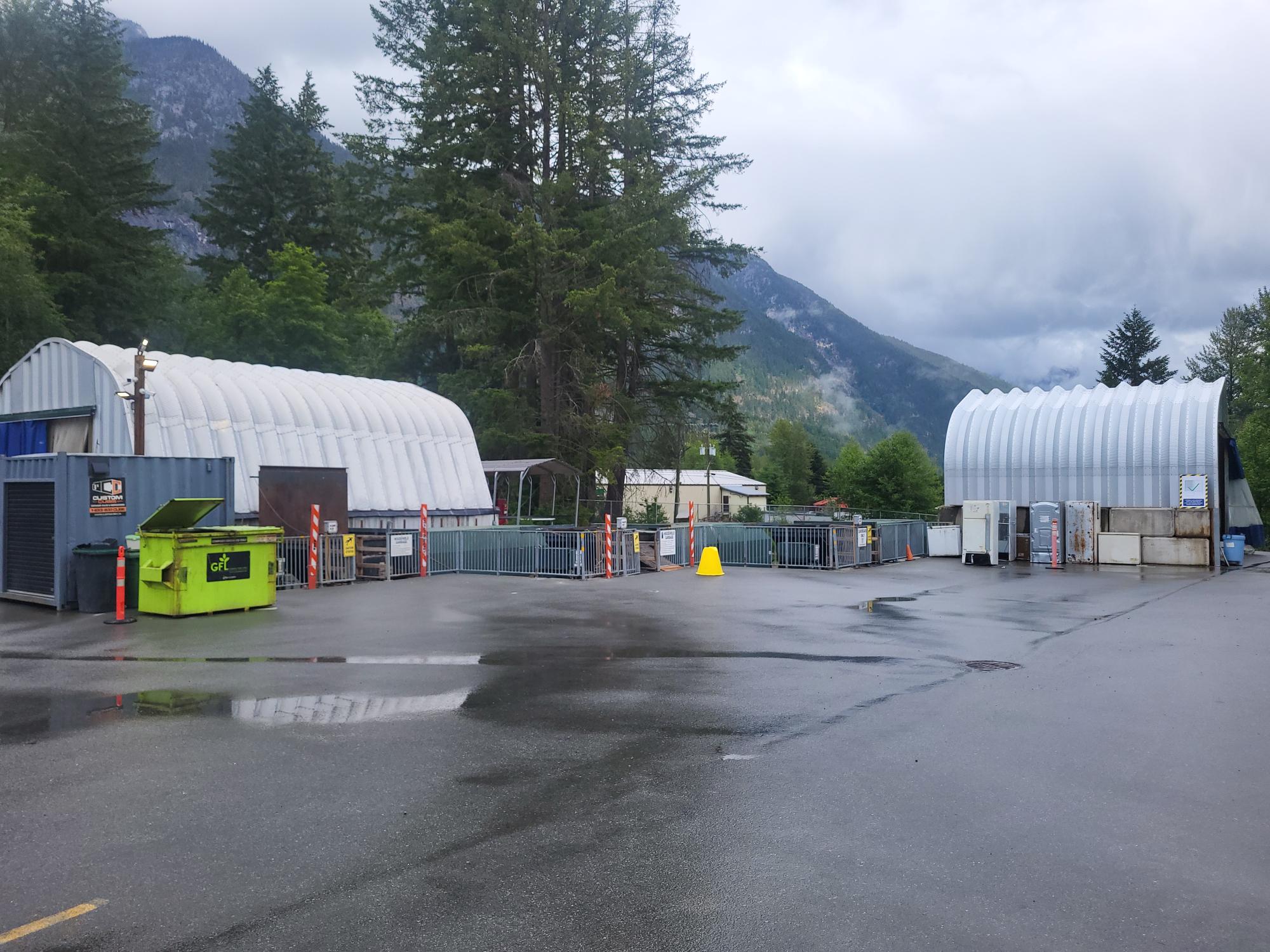
Xet’olacw Transfer Station is one example of what Indigenous-led recycling access looks like in practice. In Mount Currie, BC, the Lil’wat Nation operates 2 Eco Depots serving 2,200 residents, with the main site open 7 days a week. It’s one of the first and larger eco depots on Indigenous land in BC, running for about 6 years as the community has moved away from landfill disposal. The depots participate in recycling programs like ours, which helps offset operating costs, and employ 5 full-time and 2 on-call community members, trained through IZWTAG.
The biggest hurdle is the same one every remote community face: distance. Pickups take longer when you’re far from the Lower Mainland. The depots run anyway, 7 days a week.
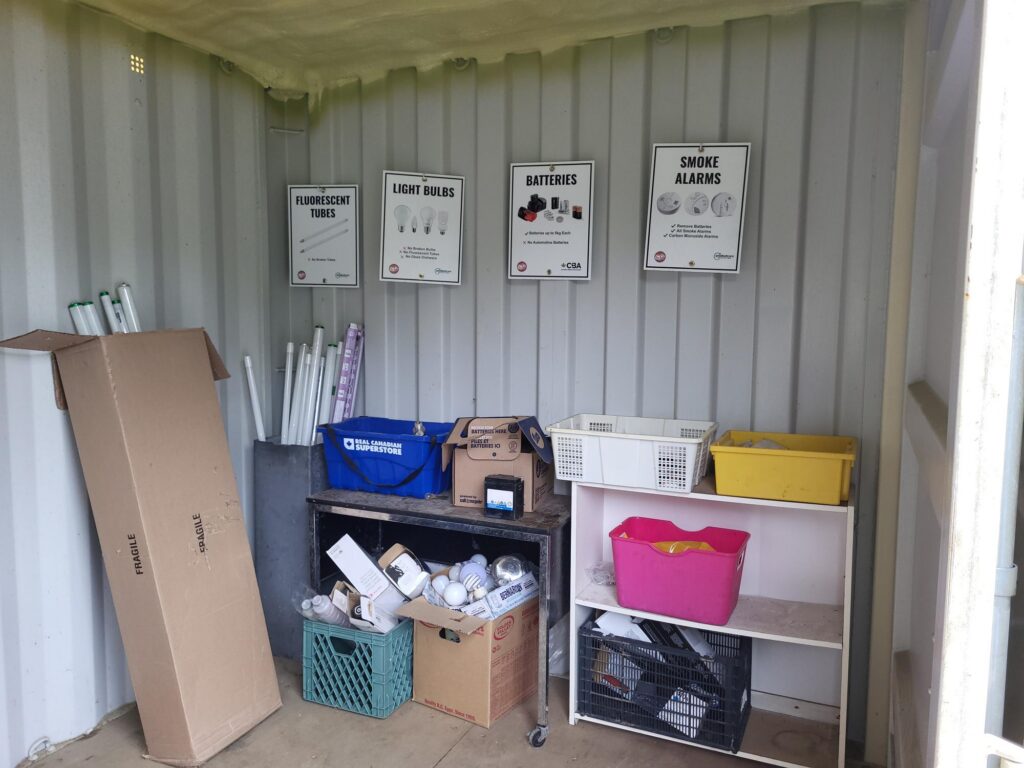
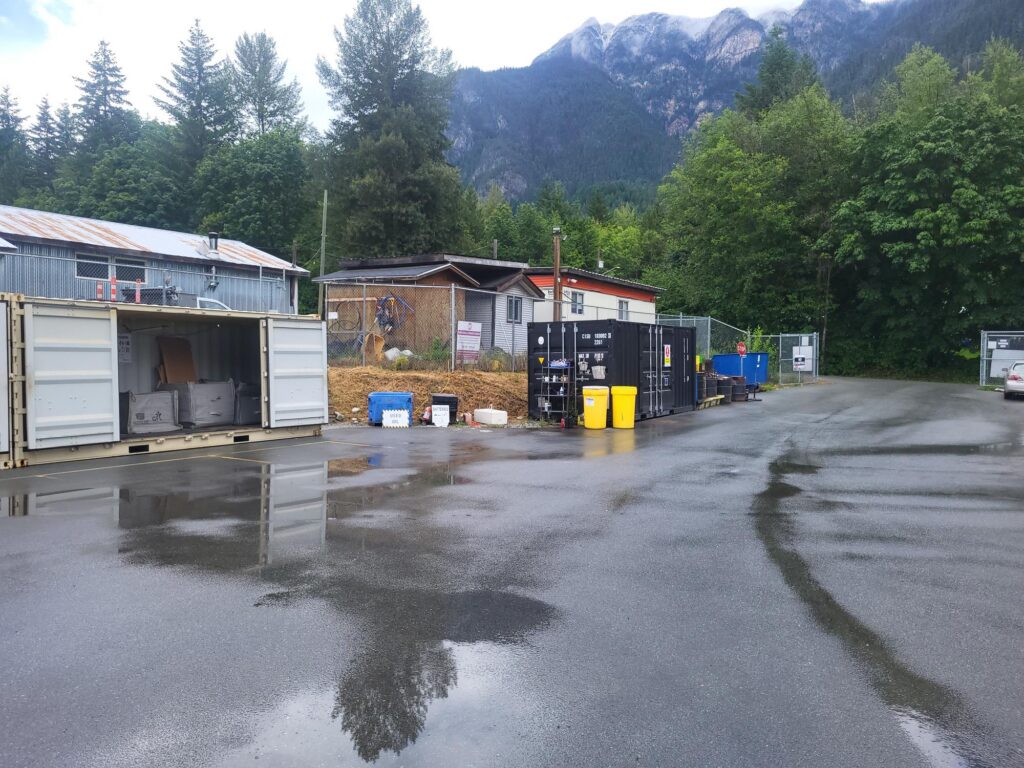
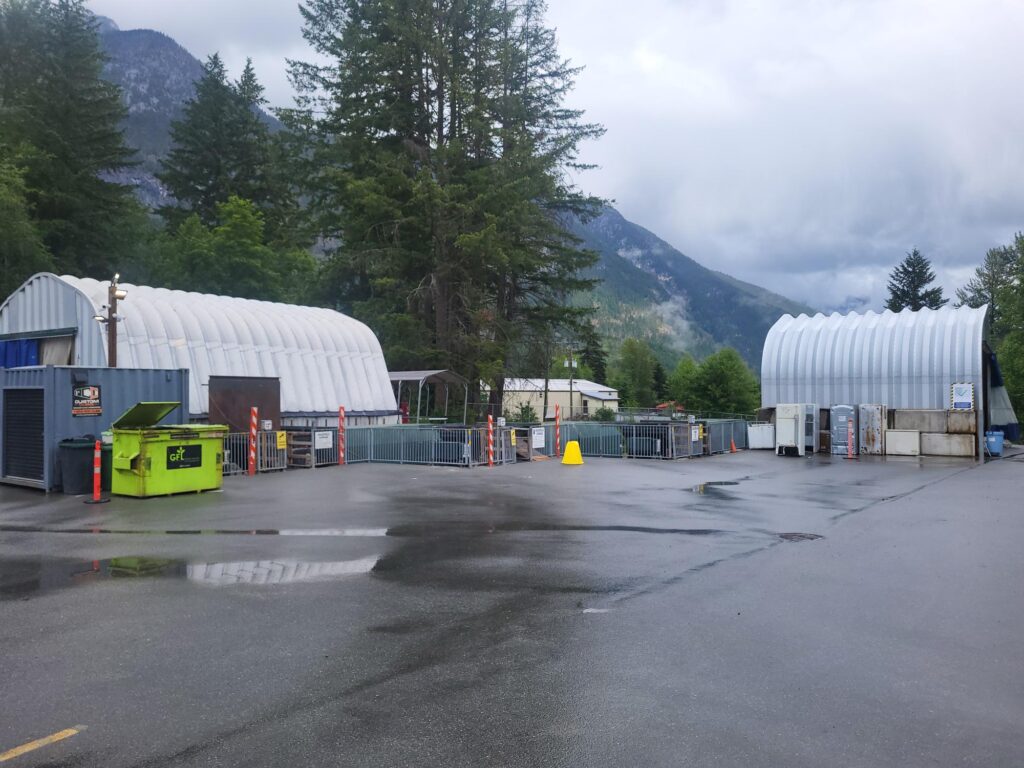
Photos: Brian Jones, courtesy of Xet’olacw Transfer Station, Lil’wat Nation.
Recycling access shouldn’t depend on how remote a community is
The Winter Road Recycling Project, FNRI, and IZWTAG show how Indigenous-led operations, backed by the right partnerships, make accessibility possible in remote communities. National Indigenous Peoples Day is a day to recognize that year-round work, and the First Nations communities leading it. Recycling access doesn’t happen alone. It happens responsable, together.