Quick answer: Household hazardous waste (HHW), sometimes referred to as hazardous and special products (HSP), can include common products such as gasoline, paint thinner, pesticides and BBQ lighter fluid that may be flammable, corrosive or toxic. When you find one of these products during a cleanout, set it apart from your regular waste and keep it in its original container. Do not put it in your blue bin or garbage, or pour it down a drain. Check where it is accepted before transporting it.
Summer season often means clearing out the garage, emptying the shed, packing for a move or finally sorting through a neglected corner of the basement. These projects can uncover old or partially used household hazardous waste, including gasoline, paint thinner, camping fuel and acetone. Before adding an unfamiliar product to your cleanout pile, pause and check whether it requires special handling. Confirm what is accepted before leaving home to avoid an unnecessary trip.
What is household hazardous waste?
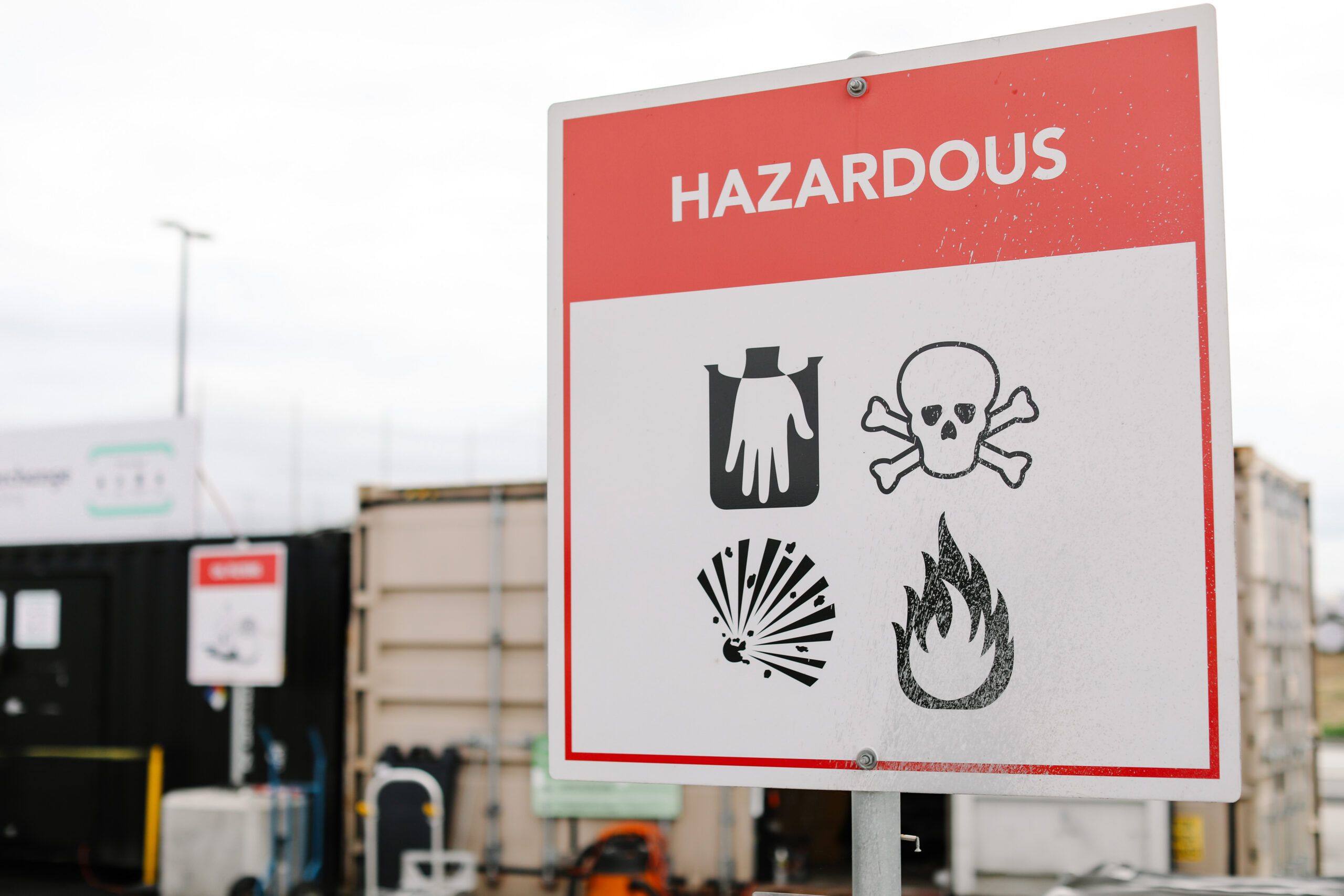
Household hazardous waste refers to certain products used around the home, yard or workshop that can pose safety or environmental risks if they are not handled properly. You may see hazard symbols on the label indicating that a product is flammable, corrosive, explosive or poisonous.
These symbols can help identify products that need special handling. Product Care manages HHW/HSP programs in several provinces but accepted product categories are not the same everywhere.
Common HHW/HSP items found during summer season cleanouts
Summer moves, garage projects and seasonal cleanouts often uncover products such as:
- Gasoline
- Paint thinner
- Camping fuel
- Acetone
- Pesticides
- BBQ lighter fluid
- Other solvents and flammable liquids
When you find one of these products, set it aside from the rest of your cleanout items until you confirm the appropriate disposal option.
How to handle HHW/HSP products safely
HHW/HSP products require more care than other items in your cleanout.
- Do not put them in your blue bin or garbage.
- Do not pour them down a drain or onto the ground.
- Do not mix products together.
- Do not remove or damage the original label.
- Do not leave leaking or unidentified containers where they could spill or be reached by children or pets.
Mixing products can trigger dangerous reactions. Keeping products in their original containers with labels intact also helps collection site staff identify and handle them safely.
How to store HHW/HSP products before drop-off
Found something during your cleanout? Set it aside until you confirm where it should go. Keep each product in its original container with the lid tightly closed, and follow the storage directions on the label. Store containers upright in a cool, dry area away from heat, sparks, children and pets. If a container is leaking, damaged or unlabelled, contact your municipality or local drop-off location before transporting it. These steps can reduce the risk of spills and make the drop-off process easier.
Check what is accepted in your province
Before leaving home, follow 3 simple steps: choose your province, confirm that your product is accepted, and find a nearby drop-off location or collection event.
Product Care provides accepted-product information for:
If your product is not listed, do not bring it to a location without checking first. Contact Product Care or your municipality for guidance on another disposal option.
Before you finish your summer season cleanout
Before your next cleanout, choose a safe place to set aside any HHW/HSP products you find. Keep them labelled and separate, then confirm what is accepted before loading your vehicle. A few minutes of preparation can reduce the risk of spills and help you avoid a wasted trip.